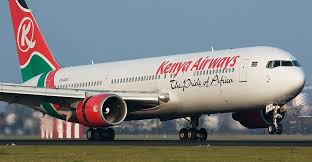
Kenya Airways, affectionately known as “The Pride of Africa,” is one of the continent’s most recognizable and respected airlines. Since its establishment, Kenya Airways has played a crucial role in connecting Africa to the world while also maintaining its status as a leading business entity in the region. This detailed assessment explores the airline’s journey, services, achievements, and future potential.
The Rich History of Kenya Airways
Kenya Airways was established in 1977 following the dissolution of East African Airways, which served Kenya, Tanzania, and Uganda. Recognizing the crucial role of aviation in the country’s economic development, the Kenyan government created Kenya Airways as the national airline. Initially, the airline operated a modest fleet focusing on domestic routes before expanding its network to include international destinations.
A significant milestone in the airline’s evolution was its transformation from a state-owned entity to a partially privatized company. This strategic shift allowed Kenya Airways to access private capital, enhance operational performance, and aggressively grow its customer base. Today, Kenya Airways operates as a public-private partnership, with the Kenyan government retaining a substantial stake, while private investors contribute to its growth and modernization.
Fleet and Aircraft Technology
Kenya Airways operates one of Africa’s most modern and extensive fleets, which includes Boeing and Embraer aircraft. The airline’s commitment to fleet modernization ensures that passengers experience enhanced comfort, safety, and overall performance on a daily basis. The Boeing 787 Dreamliner serves as the flagship of the Kenya Airways fleet, offering passengers a modern and progressive flying experience, particularly on long-haul routes.
The airline’s strategic fleet planning focuses on optimizing aircraft usage while addressing various operational and strategic needs. From short regional flights to intercontinental journeys, Kenya Airways has carefully selected aircraft that cater to diverse travel requirements. Additionally, the safety facilities at Jomo Kenyatta International Airport guarantee that every Kenya Airways aircraft meets the highest safety and operational standards.
Route Network and Destinations
The Airways has developed an extensive network that spans four continents, making it one of the most connected airlines in Africa. The airline serves over 50 destinations across Africa, Europe, Asia, and North America. This network positions Kenya Airways as a vital link between Africa and the rest of the world.
Utilizing a hub-and-spoke model at Nairobi’s Jomo Kenyatta International Airport, the national carrier creates seamless connections for passengers traveling throughout the continent. This strategic approach has made the airline a preferred choice for travelers seeking convenient connections in Africa. With a strong presence in African markets combined with its global routes, Kenya Airways efficiently serves both business and leisure travelers.
Regional connectivity is a cornerstone of Kenya’s national carrier strategy. The airline connects key African cities, facilitating exchange, tourism, and cultural trade across the continent. From Lagos to Johannesburg and from Addis Ababa to Casablanca, the pride of Africa bridges distances and brings African companies closer together.
Service Excellence and Customer Experience
Kenya Airways is dedicated to providing exceptional customer support at every point of contact. The airline’s commitment to excellence is evident in its cabin service training, ground services, and overall passenger experience. Kenya Airways offers a range of commercial airline options, including Economy, Premium Economy, and Business Class, each tailored to meet the specific needs and preferences of passengers.
The in-flight experience on the country’s national carrier reflects a blend of African hospitality and global service standards. Passengers can enjoy thoughtfully curated meals that highlight local flavors in addition to international cuisine. The in-flight entertainment systems on Pride of Africa aircraft feature a wide selection of films, music, and video games, ensuring comfort during long-haul flights.
Additionally, the national carrier has made significant investments in digital transformation to enhance the passenger experience. The airline’s mobile app and website provide seamless booking and review processes, real-time flight information, and convenient check-in procedures. These digital innovations highlight Kenya Airways’ commitment to adapting to changing passenger expectations in today’s digital age.
Economic Impact and National Development
As Kenya’s national airline, the pride of Africa plays a crucial role in the country’s economic development. The airline makes a significant contribution to Kenya’s GDP through its operations, job creation, and support for tourism. Kenya Airways serves as a vital financial facilitator, connecting Kenyan businesses to global markets and fostering international growth.
The extensive route network of the national carrier greatly benefits the tourism sector in Kenya. International visitors arriving on Kenya Airways flights contribute billions to the local economy through hotel stays, safari tours, and other tourism-related activities. This mutually beneficial relationship between Kenya Airways and Kenya’s tourism industry continues to foster growth and development.
Furthermore, the Airways supports local communities through various corporate social responsibility programs. The airline’s initiatives focus on education, healthcare, and environmental conservation, demonstrating its commitment to sustainable development beyond the aviation sector.
Challenges and Resilience
The national carrier, like many airlines worldwide, has faced various challenges, including financial fluctuations, volatile fuel prices, and the impact of international sporting events on air travel. The COVID-19 pandemic was particularly demanding, severely affecting operations due to global travel restrictions.
Despite these challenges, Kenya’s national carriers have shown remarkable adaptability. The airline implemented comprehensive safety and health protocols, adjusted its flight network to meet changing demand patterns, and maintained essential connectivity during the pandemic. These actions have enhanced Kenya Airways’ operational resilience and disaster management capabilities.
To ensure long-term sustainability, Kenya Airways has been actively engaged in financial restructuring. The airline is working closely with stakeholders to optimize its capital structure, reduce operational costs, and improve its technology. These efforts reflect Kenya’s national carrier’s commitment to achieving sustainable growth in the post-pandemic aviation landscape.
Innovation and Technology
Kenya Airways consistently adopts technological innovations to enhance its operational standards, improve overall performance, and enhance the customer experience. The airline has implemented advanced earnings management structures, predictive safety technologies, and virtual customer support systems. These technological investments enable Kenya’s national carrier to remain competitive in the ever-evolving aviation industry.
Moreover, Kenya’s national carrier is committed to sustainability through programs aimed at improving fuel efficiency, reducing waste, and offering carbon offset options for environmentally conscious passengers. The airline acknowledges its responsibility to minimize environmental impacts while maintaining operational excellence.
Future Prospects and Strategic Vision
Looking ahead, Kenya Airways has set ambitious plans for growth and expansion. The airline’s strategic, imaginative, and visionary approach focuses on strengthening its position as Africa’s leading carrier while exploring new market opportunities. Key priorities for Kenya Airways include expanding its route network, modernizing its fleet, and enhancing its service providers.
The development of Nairobi as a primary aviation hub in Africa presents significant opportunities for Kenya’s national carrier. The airline is well-positioned to capitalize on the growing demand for intra-African travel. Strategic partnerships and alliances will be essential for Kenya Airways’ future growth strategy.
Additionally, the Pride of Africa recognizes the importance of developing local aviation capabilities and supporting the broader African aviation sector. Training programs and collaborative initiatives help enhance aviation skills across various locations within the continent, contributing to the company’s overall growth and development.
Conclusion
Kenya Airways has established itself as a cornerstone of African aviation, connecting the continent to the world while embodying innovation, commercial enterprise, operational excellence, and reliability. Over its long history of operations, Airways has faced numerous challenges but has persevered to become a symbol of success in African aviation.
The airline’s strong focus on community growth, fleet modernization, and enhancing customer support positions Kenya Airways well for future expansion. As Africa’s aviation market continues to develop, the airline is poised to play an increasingly critical role in facilitating both continental and global connectivity.
The story of Kenyan carrier exemplifies the broader narrative of African aviation development, illustrating how national airlines can serve as key catalysts for economic growth and global integration. With its solid foundation and clear strategic vision, Kenya Airways is prepared to maintain its role as “The Pride of Africa” for generations to come, connecting people, cultures, and opportunities while rooted in African soil.