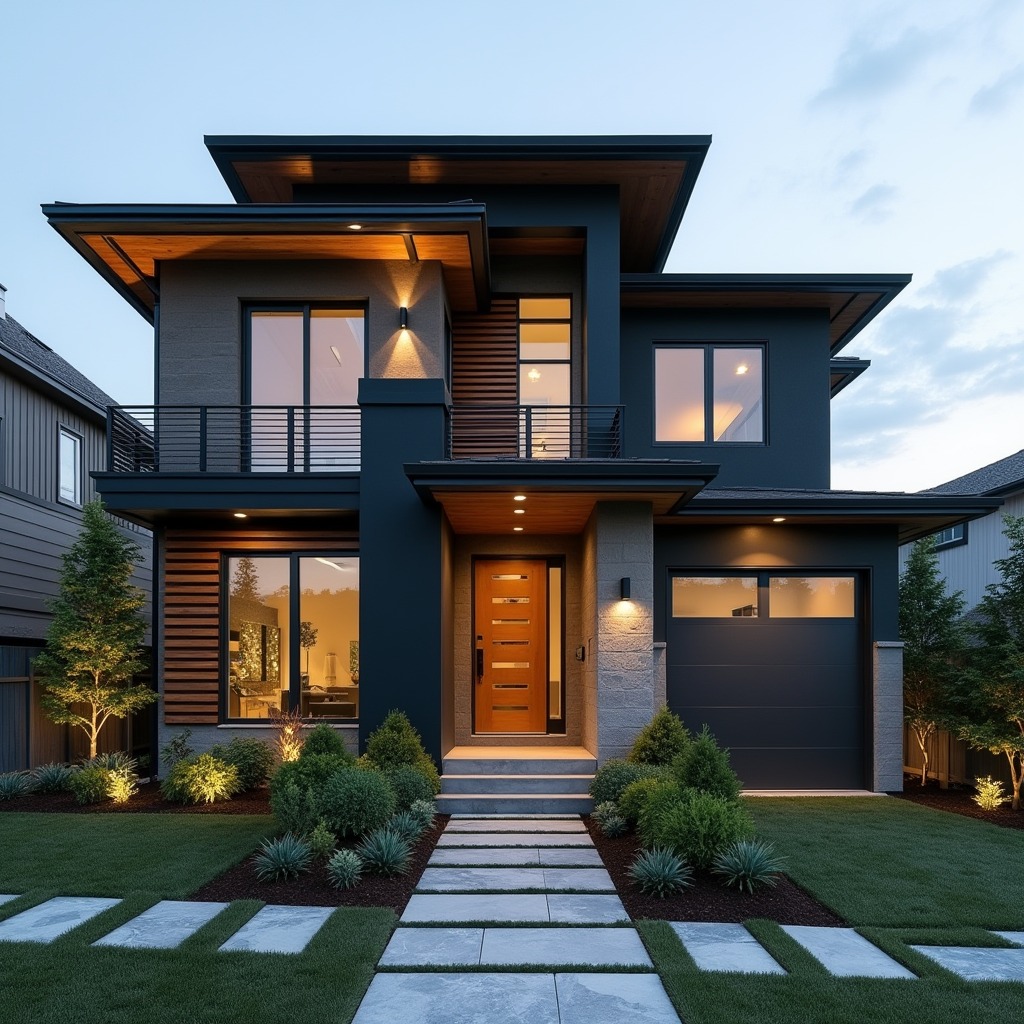
Kenya, situated in East Africa, has witnessed substantial growth in its real estate sector over the past decade. Houses in Kenya, Africa, not only provide shelter for millions of residents but also present substantial investment opportunities for both local and international buyers. This comprehensive guide explores the diverse housing landscape, architectural trends, investment potential, and living conditions associated with properties in Kenya.
Overview of Kenya’s Housing Market
The Kenyan housing market has undergone a significant transformation, with the emergence of modern and diverse housing options. From traditional mud-brick structures to contemporary high-rise buildings and luxury villas, the evolution of housing in Kenya reflects both the country’s economic growth and cultural changes.
With a population exceeding 54 million people, the demand for housing in Kenya is substantial, making it a key issue in the nation’s development plans. Authorities have initiated numerous projects aimed at addressing housing shortages, with a particular focus on providing affordable housing options for middle- and lower-income families.
Traditional Architecture and Modern Influences
Traditional Housing Styles
Historically, houses in Kenya have varied significantly, depending on the ethnic group and geographical region. The Kikuyu people built round huts with thatched roofs, while coastal communities constructed rectangular houses with makuti (palm leaf) roofing. These traditional houses were designed to suit the local climate and utilize available materials.
The Maasai community created temporary structures known as manyattas, which could be relocated according to their pastoral needs. These traditional houses reflect the ingenuity of local communities in adapting to their environment and lifestyle.
Contemporary Architectural Trends
Modern houses in Kenya are increasingly incorporating global architectural trends while still retaining elements of traditional design. These contemporary homes are characterized by forward-thinking materials, such as concrete, metal, and modern roofing structures, which enhance durability and climate resistance.
In urban areas of Kenya, homes are equipped with advanced amenities, including electricity, clean water, and internet connectivity. These upgraded houses meet global living standards while remaining culturally relevant to local communities.
Regional Variations in Housing
Nairobi: The Capital’s Housing Landscape
Nairobi, the capital city of Kenya, boasts the most diverse range of housing options in the country. From upscale estates in areas like Karen and Runda to more affordable options in Eastlands, Nairobi’s homes cater to a range of income levels and lifestyles.
The types of houses available in Nairobi include modern residences, townhouses, bungalows, and maisonettes. Premium homes often feature amenities such as private swimming pools, landscaped gardens, and 24-hour security systems.
Coastal Region Housing
The coastal region of Kenya, Africa, showcases houses that reflect a blend of Swahili and Arab architectural influences. These traditional homes typically feature coral stone construction, flat roofs, and intricate woodwork. Mombasa and Malindi are known for some of the most stunning examples of this architecture, which uniquely combines African, Arab, and Portuguese elements.
Many houses along the Kenyan coast are designed with natural ventilation systems and extended layouts to manage humidity and flooding during the wet seasons effectively.
Rural Housing Development
Rural houses in Kenya have seen significant improvements, evolving from traditional structures to more durable homes. Government initiatives and NGO programs have contributed to this transformation by introducing higher-quality materials and construction methods.
Modern rural homes in Kenya are increasingly functional, featuring iron sheet roofing, concrete flooring, and improved sanitation facilities. These enhancements not only elevate the quality of life for rural residents but also remain affordable.
Investment Opportunities in Kenyan Real Estate
Growing Market Demand
Houses in Kenya, Africa, represent attractive investment opportunities due to normal population growth and urbanization traits. The demand for nice houses in Kenya, Africa, continues to outstrip supply, creating favorable conditions for property buyers.
Foreign traders are becoming increasingly inquisitive about properties in Kenya, Africa, particularly in prime locations, such as Nairobi, Mombasa, and growing satellite cities. The apartment yield for houses in Kenya, Africa, often exceeds returns available in more superior markets.
Government Housing Initiatives
The Kenyan government’s Big Four Agenda includes a key priority of providing more affordable housing, aiming to deliver 500,000 more affordable houses in Kenya by 2027. This initiative creates opportunities for both builders and clients while addressing the housing deficit.
Public-non-public partnerships are facilitating the improvement of many less expensive houses in Kenya, Africa, through innovative financing mechanisms and streamlined approval processes.
Emerging Markets and Satellite Towns
Satellite cities, also known as essential cities, offer outstanding opportunities for housing investments in Kenya, Africa. Areas such as Kiambu, Machakos, and Kajiado are experiencing rapid development, with new houses in Kenya attracting middle-class shoppers seeking less luxurious alternatives to city center homes.
These rising markets offer houses in Kenya, Africa, with modern facilities at competitive prices, making them attractive to first-time homebuyers and customers alike.
Financing and Ownership of Houses
Mortgage Market Development
The mortgage market in Kenya has advanced significantly, making homes in Kenya more accessible to ordinary residents. Commercial banks, mortgage companies, and economic savings and credit cooperatives (SACCOs) offer numerous financing options for purchasing houses in Kenya, Africa.
Interest costs for houses in Kenya, Africa, have ended up extra competitive, with some creditors offering rates under 15% yearly. Government projects, collectively with the Kenya Mortgage Refinance Company (KMRC), aim to reduce the cost of financing houses in Kenya, Africa.
Ownership Structures
Foreign ownership of houses in Kenya is permitted, although non-citizens are not permitted to own land outright. Foreigners can acquire houses in Kenya through leasehold arrangements or by forming partnerships. This system allows international buyers to participate in the housing market while also safeguarding national interests.
Living Standards and Amenities
Urban Housing Standards
In Kenya, Africa, an increasing number of urban houses meet global living requirements, featuring modern kitchens, multiple bedrooms, and dependable utilities. Premium houses in Kenya, Africa, located in upmarket regions, typically feature facilities such as gymnasiums, clubhouses, and children’s play areas.
Security remains a challenge for houses in Kenya, Africa, with gated communities and condo complexes offering 24-hour security services. Many houses in Kenya, Africa, feature backup energy systems and water garage facilities to ensure uninterrupted services.
Infrastructure Development
Improved infrastructure lets to the improvement of splendid houses in Kenya, Africa. The expansion of energy coverage, water systems, and internet connectivity complements the appeal of houses in Kenya, Africa, particularly in areas with vast expanses.
Transportation infrastructure enhancements, including new roads and railway structures, increase accessibility to homes in Kenya, Africa, in formerly remote areas, thereby establishing new markets for improvement.
Challenges and Future Prospects
Current Challenges
Despite massive improvements, houses in Kenya, Africa face several worrying conditions collectively, including excessive construction costs, limited access to low-cost financing, and bureaucratic approval processes. These elements can increase the rate and timeline for growing houses in Kenya, Africa.
Land possession disputes and dubious perceived deeds sometimes complicate transactions regarding houses in Kenya, Africa, requiring cautious due diligence from both buyers and sellers.
Future Outlook
The future of housing in Kenya appears promising, driven by ongoing urbanization and a growing demand for large-scale housing. Technological advancements, including prefabricated construction and innovative building practices, are expected to improve the performance and sustainability of homes in the country.
Additionally, climate change challenges are impacting the design of future housing in Kenya. There is a growing emphasis on energy efficiency, water conservation, and resilient construction techniques to address these issues..
Conclusion
Houses in Kenya represent a dynamic and evolving market that reflects the country’s economic growth and social development. Ranging from traditional structures deeply rooted in cultural heritage to modern homes that meet global standards, the housing sector in Kenya showcases a remarkable diversity and innovation.
The investment potential in Kenyan housing continues to attract interest from local and international stakeholders, bolstered by government initiatives and improved infrastructure. Despite facing some challenges, the overall outlook for housing in Kenya is positive, with increasing financing options and a growing reputation for creating opportunities for builders, buyers, and homeowners.
As Kenya progresses on its development journey, residential properties will play a crucial role in providing secure, affordable, and comfortable housing for the country’s expanding population. The evolution of housing in Kenya reflects the commitment to enhancing living standards while preserving cultural identity and promoting sustainable development practices.
For anyone considering investing in African real estate or seeking to understand housing markets in developing economies, the Kenyan housing sector offers valuable insights into the interplay of lifestyle, modernity, and financial opportunity in contemporary Africa.